
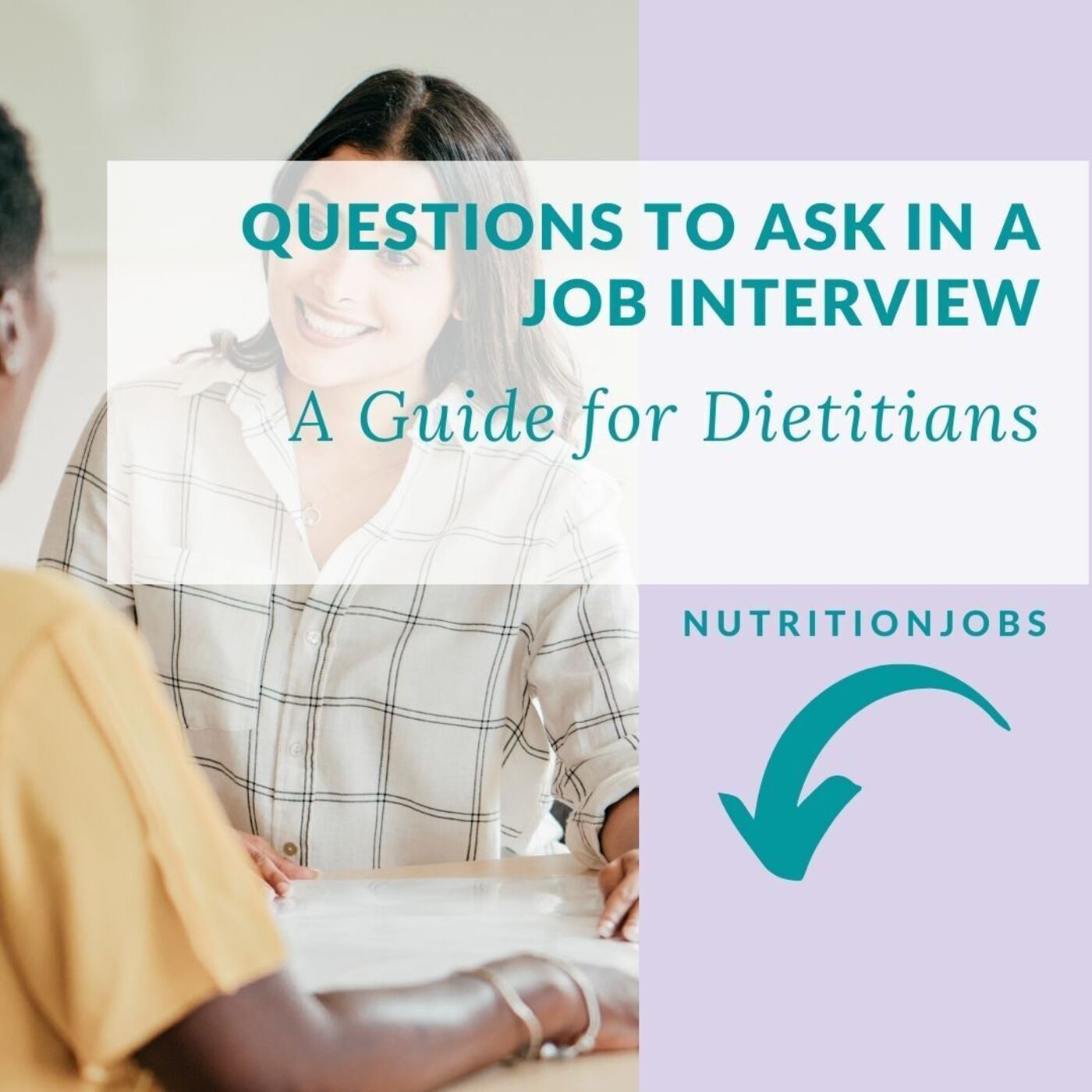
Job Interview Questions to Ask - A Dietitian's Guide
Congratulations on landing the job interview as a registered dietitian!
Now, it's time to prepare for the interview. Not only should you prepare to answer the hiring manager's interview questions, such as assessing your problem-solving skills and learning about your interpersonal skills, but you will also need to show your interest in the job by asking a few of your own questions.
As a dietitian, asking questions during a job interview is not only important, but essential to stand out from your competition. Some recruiters believe this might be the most important thing to do in an interview.
Asking questions during the interview demonstrates to the hiring managers that you have a genuine interest in the position and organization. It also allows you to gather information about the role, responsibilities, organizational culture, and expectations for the role. This can be helpful when you assess whether the job is the right fit for you! The types of questions you can ask will depend on the job title, the job description, and responsibilities.
Job interview success for dietitians
Dietitian job interviews include time to answer questions from the recruiter or hiring manager followed by time for you to ask questions about the role and the company. While this article focuses on the potential questions you will ask, do check out our other resources on how to answer job interview questions. We've got lots of dietitian interview questions you can prepare for ahead of the interview.
There are several great resources out there that provide common interview questions or nutritionist interview questions. In general, you want to prepare for their questions. The best way to prepare is to practice answering sample interview questions. You want to show that you are the best candidate for the job.
Here are several scenarios for which you can ask questions.
Preparing for Success: Questions for the Initial Phone Interview
The initial phone interview serves as the gateway to your potential future as a dietitian within an organization. It's not just a chance for them to learn about you; it's also an invaluable opportunity for you to gather crucial information about the role and the organization.
When preparing for your initial phone interview as a dietitian, consider asking the following questions:
- Can you provide more detail about the day-to-day responsibilities of this position? Understanding the daily tasks and duties associated with the role gives you clarity on what to expect
- How does this role fit within the larger goals of the organization? This question allows you to grasp the broader context of your position and how it contributes to the organization's mission and objectives.
- Can you describe the team dynamic within the department? Learning about the team dynamics helps you gauge how collaborative the work environment is and whether it aligns with your preferred style of working.
- What challenges or opportunities do you foresee for the dietitian in this role? Understanding potential challenges and opportunities will help you assess your readiness for the role and the support available to navigate such situations.
- How does the organization measure success or effectiveness in dietetic services? Understanding how success is defined and measured within the organization gives you insights into the expectations and standards for performance.
Delving Deeper: Questions for the In-person or Virtual Interviews
Moving from the initial phone interview to an in-person or virtual meeting with the team marks a significant step in the job application process for dietitians. This face-to-face interaction provides an opportunity to delve deeper into the specifics of the role and organization.
Here's how to make the most of this next step interview and tailor your questions to different types of dietitian positions:
Strategies for In-person Interviews:
- Assessing Fit: Use this next phase in the interview process to evaluate whether the organizational culture, team dynamics, and job responsibilities align with your career goals and values. Pay attention to non-verbal cues and the overall atmosphere of the workplace.’
- Gathering Specific Information: Take advantage of this opportunity to gather more detailed information about the role, the organization, and the expectations. Ask targeted questions to gain insights that may not have been covered in the initial phone interview.
- Success and performance evaluations: Ask about promotion cadence, how you will be evaluated and what performance indicators will you be evaluated on for success.
For Clinical Dietitian Positions:
- Can you provide more detail about the patient population I'll be working with?: Understanding the demographics and specific health needs of the patient population will help you tailor your approach to patient care.
- How does the interdisciplinary team collaborate on patient care plans? Collaboration with other healthcare professionals is crucial in clinical settings. This question helps you assess the level of teamwork and communication within the team.
- Can you walk me through a typical day or week in this role?: Understanding the day-to-day responsibilities and workflow will help you assess whether the role aligns with your preferences and abilities.
- What opportunities exist for professional growth and advancement within the organization?: Knowing the potential for career progression demonstrates your interest in long-term commitment to the organization.
- What resources and support systems are available to clinical dietitians for staying updated on the latest research and best practices?: Staying current with advancements in nutrition and healthcare is crucial for providing quality care. Knowing what resources are available demonstrates your commitment to ongoing professional development.
For Private Practice Positions:
- What types of clients typically seek services from this practice?: Knowing the client demographics will help you tailor your services and better meet their needs.
- How are client appointments scheduled and managed?: Understanding the technology and the administrative aspects of the practice ensures smooth workflow and client satisfaction.
- What types of services does the practice offer, and how do dietitians collaborate with other healthcare professionals, if any?: Understanding the scope of services and potential collaborations will help you assess the level of integration and interdisciplinary teamwork within the practice.
- Can you describe the practice's approach to marketing and attracting new clients? Understanding how the practice generates business and maintains a client base will give you insights into the broader strategy and your role in promoting the practice's services.
- Can you provide examples of common challenges or issues that arise in private practice, and how they are typically addressed?: Understanding potential challenges and solutions will help you assess your readiness for the role and the support available to navigate such situations.
For Long-Term Care (LTC) Positions:
- How is the dietary department structured within the LTC facility?: Learning about the organizational structure helps you understand your role and responsibilities within the facility.
- Can you discuss the protocols for managing special dietary needs for residents?: LTC facilities often cater to residents with diverse dietary requirements. Knowing how these needs are addressed demonstrates your commitment to providing quality care.
- How does the dietary team collaborate with other healthcare professionals, such as nurses and physicians, in resident care?: Collaboration is essential for ensuring holistic care for residents. Learning about interdisciplinary teamwork will help you assess the level of integration and communication within the facility.
- What strategies does the facility employ to promote resident well-being and quality of life through nutrition and dining services?: Ensuring that residents receive nutritious meals and enjoy positive dining experiences is vital for their overall well-being. Asking about strategies demonstrates your commitment to enhancing resident quality of life.
- What opportunities exist for professional growth and development within the facility?: Knowing the potential for career advancement and continuing education demonstrates your interest in long-term commitment to the facility.
For Public Health Positions:
- What specific public health programs or initiatives is the organization currently involved in, and how does the dietitian's role contribute to these efforts?: Understanding the organization's focus areas and priorities will help you align your skills and expertise with their objectives.
- Can you describe the target population(s) for the public health programs, and what are their nutritional needs and challenges?: Learning about the demographics and health disparities of the target population(s) will help you tailor your approach to providing nutrition education and support.
- Can you provide examples of successful public health interventions or programs that the organization has implemented in the past, and their impact on community health outcomes?: Learning about past successes will give you insights into the organization's approach to public health programming and the potential for making a meaningful impact.
- What data collection and evaluation methods does the organization use to assess the effectiveness of public health interventions related to nutrition and diet?: Monitoring and evaluation are essential components of public health programming. Understanding the data collection process demonstrates your commitment to evidence-based practice.
- How does the organization collaborate with community partners and stakeholders to address public health issues related to nutrition and diet?: Collaboration is key in public health. Understanding the network of partnerships will help you assess the level of integration and communication within the community.
Company culture
There are a few questions you can ask to understand if you will be a fit for the company. You can also research a company's culture by researching their website and social media posts.
Here's how:
-
Research the Company’s Mission and Values:
- Examine the company’s website, especially sections like “About Us” or “Our Mission,” to understand their core values, mission statement, and goals.
- Look for annual reports or press releases that can provide insight into the company's priorities and initiatives.
-
Read Employee Reviews:
- Use platforms like Glassdoor, Indeed, or LinkedIn to read current and former employees' reviews, focusing on comments related to company culture, work-life balance, management style, and employee satisfaction.
-
Analyze the Company’s Social Media Presence:
- Review the company's social media accounts to gauge how they interact with customers and employees, the type of content they share, and how they portray their business.
-
Ask Specific Questions During the Interview:
- Inquire about the company’s work environment, team dynamics, and employee engagement initiatives.
- Ask how the company handles professional development, work-life balance, diversity and inclusion, and conflict resolution.
-
Network and Connect with Current or Former Employees:
- Reach out to your network or use LinkedIn to find people who have worked at the company and ask for their honest opinions about the company culture and their experiences working there.
-
Observe the Physical Workspace:
- If you have the opportunity to visit the office in person, observe the layout, how employees interact with each other, and the overall energy of the workplace.
-
Consider the Onboarding Process:
- Evaluate the company’s onboarding process as it can reflect how they value and integrate new employees into their culture.
- Ask what the actual onboarding process entails.
- Ask what support they offer new hires in the first few months of hire.
- Ask how the first few months in this role are structured.
-
Reflect on Your Interactions with Employees:
- Consider your interactions with employees during the interview process, from the receptionist to the hiring manager. These interactions can be very telling about the company's culture.
-
Evaluate Communication Styles:
- Pay attention to how communication is handled during the recruitment process. Is it formal or informal? How quickly do they respond to your queries? This can indicate the company's communication culture.
-
Assess the Company’s Approach to Innovation and Change:
- Ask about or research how the company handles innovation, change, and employee feedback. Are they open to new ideas and continuous improvement?
-
Look for Signs of Employee Recognition and Appreciation:
- Find out if the company has any employee recognition programs and how they celebrate accomplishments and milestones.
-
Understand the Company’s Approach to Work-Life Balance:
- Ask about policies on flexible working hours, remote work options, vacation time, and other benefits that contribute to work-life balance.
Making Your Final Decision: Questions for the Last Interview
As you approach the final interview stage for a dietitian position, it's essential to use this opportunity to clarify any remaining questions and gather insight into next steps. This phase is crucial for making an informed decision about whether the role and organization align with your career goals and expectations.
Here's how to make the most of your last interview:
Guidance on Final Interview
- Clarifying Remaining Questions: Take this opportunity to address any lingering doubts or uncertainties you may have about the role, the organization, or the hiring process. Use the final interview to seek clarification and gather additional information to support your decision-making.
- Gathering Insight into Next Steps: Use the final interview to gain clarity on the next steps in the hiring process. Understanding the timeline and expectations for follow-up communication will help you plan accordingly and stay informed throughout the process.
Questions about Compensation, Benefits, and Professional Development
- Can you provide more detail about the compensation package for this position?: Understanding the compensation package, including salary, bonuses, and other benefits, is essential for assessing the overall value of the position and making an informed decision.
- What opportunities exist for professional growth and development within the organization?: Learning about opportunities for career advancement, continuing education, and skill development demonstrates your interest in long-term growth and commitment to professional excellence.
- What benefits does the organization offer, such as healthcare, retirement plans, and paid time off?: Understanding the benefits package is crucial for evaluating the overall value of the compensation package and ensuring your well-being and financial security.
- What are the next steps in the hiring process?: Clarifying the timeline and expectations for the next steps in the hiring process will help you plan accordingly and stay informed throughout the process.
That’s a Wrap
After the interview, don't forget to follow up with thank-you notes to express your gratitude for the opportunity to interview. Use this opportunity to reiterate your interest in the position and highlight specific aspects of the discussion that resonated with you.
In summary, asking thoughtful questions throughout the job interview process empowers you to gather essential information, assess fit, and make informed decisions about your career.
By leveraging the insights gained from asking questions and following up with gratitude and enthusiasm, you'll position yourself for success in the end. Good luck!
About the Authors
Katie Padva, MS, RDN, LDN, is a Registered Dietitian passionate about delivering nutrition education through writing, teaching, and counseling to help prevent and manage chronic diseases. She works in a private practice helping individuals be the best version of theirselves through healthy nutrition. She also works as an adjunct instructor at a University educating students on nutrition concepts. When she is not working, Katie enjoys being outside, running, writing, cooking, doing yoga and hiking! Connect with her on LinkedIn.
Stacey Dunn-Emke, MS, RDN, is the Founder Owner of NutritionJobs and DietitianSalaries.com. She is an established dietetic career expert. She helps steer dietetic and nutrition professionals to a successful job search process with the top-ranked dietetic job board platform, NutritionJobs. Stacey is the author of The Dietetic Resume Guide and numerous dietetic career action-ables. She gives the tools to create a modern standout dietetic resume to land that job interview, help with job interview prep, and with creating All-Star LinkedIn profiles. Stacey has interviewed and hired many dietitians and in running NutritionJobs since 2000, she has reviewed thousands of dietetic resumes. She works closely with dietetic hiring managers and recruiters to know what standout resume elements land a job interview.
