
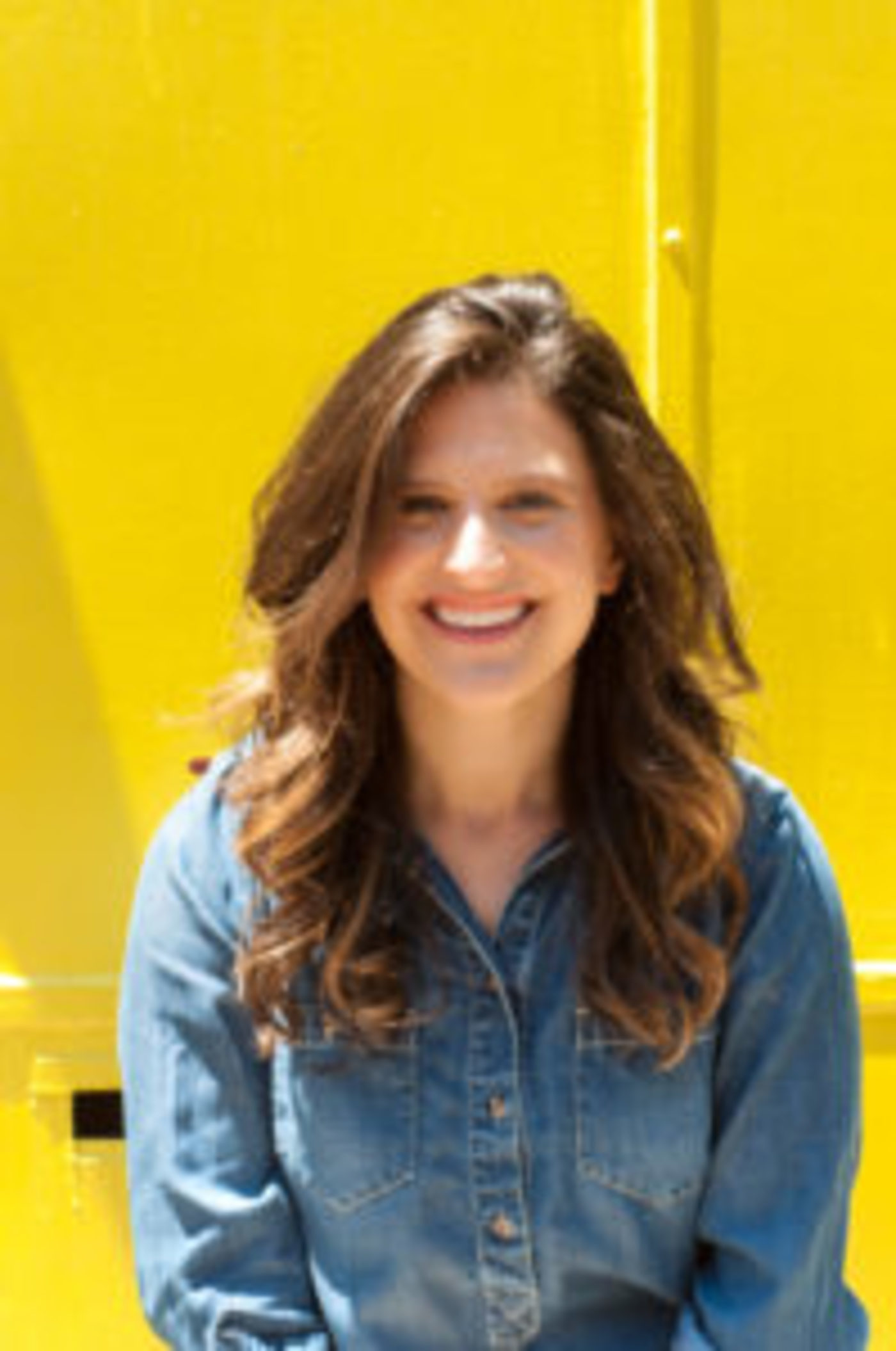
Dietetic Career Spotlight on Rachel Larkey, Community Healthcare Network
Meet Rachel Larkey, RD, CDN, CLC, who found her dream job networking during her dietetic internship with a guest speaker at one of her classes. And the best part is, she can walk to work! Read on to learn more tips on how you can also find your dream job. – Sarah
What attracted you to the field of nutrition and dietetics? I was studying musical theater in college when I started working with the school’s dining hall to buy and cook more gluten free food (I have Celiac Disease). They invited me to a planning lunch with dietitians and I immediately knew it was what I wanted to do with my life. I transferred schools and programs the next month and haven’t looked back!
Your Job Title? Community Nutritionist—we use the term nutritionist because it’s more health literate than dietitian, but I am an RD.
Company you are with now? Community Healthcare Network. I align strongly with the company’s mission, which is “to provide access to quality, culturally-competent and comprehensive community-based primary care, mental health, and social services for diverse populations in underserved communities throughout New York City”.
Social Media:
– Instagram: @rachellarkeyrd
Describe a typical (or not so typical) day-in-the-work-life for you? I generally see 5-10 patients for one-on-one counseling for most of the day. Patients are usually referred to me by our doctors or NP’s, and have a wide range of health concerns and barriers. Most appointments are 30-60 minutes long and I use a LOT of motivational interviewing. I practice from a weight-neutral standpoint, so we focus on behavioral change instead of weight or size as a measure of health. Sometimes I will do outreach events in the community or lead groups at my clinic. Daily, I attend meetings with other providers to help coordinate care for our highest-risk patients. I also run a farm share every summer so patients and staff can access veggies for cheap. I adore my job because I can be flexible in my scheduling and the techniques I use to practice and I reach a population that usually does not have access to private nutritional counseling. Also, I live 8 minutes away from my job and walking to/from work is the biggest game changer in quality of life as a New Yorker!
How did you get your current job in dietetics? Networking– it’s so important. The director at my current job came to talk to my intern class when I was a dietetic intern, and it sounded like my dream job. I networked with her to get my foot in the door and observe her dietitians—we got along great and I did some volunteer things for her as an intern, so she knew I was a good fit when it was time to hire.
What skills were you born with and what skills have you learned along the way? I was born working way too hard, which helped me as an undergrad. I’m also empathetic which makes my counseling very genuine.
I’ve learned along the way to be flexible and think on my feet (the barriers to care that are experienced by my patient population necessitate a lot of creative problem-solving). I am learning how to speak Spanish, and I’m getting pretty good.
What advice do you have for others wanting to be just as successful and fulfilled as you? Nutrition is not an emergency! We are lucky to usually have the time and leeway to experiment because our clinical decisions are not always life or death in the moment. Reminding myself this has helped me meet patients where they’re at with less internal panic.
My biggest piece of advice is to really put in the work to make sure you acknowledge voices different than yours. Sometimes dietetics and nutrition advice can look very homogenous—it’s important to seek out knowledge in different cultural customs, different ideas and versions of health, different nutritional paradigms, and the complex intersectionality of health access. It’s ok to get a little bit uncomfortable and question ideas that are held as “truths”—it’s probably necessary if we’re going to become well-rounded providers of sensitive care.
If you could be paid for your job with something other than a paycheck, what would it be? I’m sensing a trend here, but free travel is definitely up there.
